
You already know you’re not sleeping well. You feel it the next morning — the slow start, the coffee that doesn’t fully work, the afternoon crash around 2 p.m. The problem usually isn’t that you don’t know sleep matters. It’s that the advice you’ve read on habits to improve sleep quality hasn’t actually changed anything.
Most sleep tips are technically correct but practically useless. “Avoid screens before bed” is fine advice. But if you’ve tried it for two nights and still woke up tired, you don’t need the reminder — you need to understand why certain habits work, so you can actually apply them.

The Habit That Matters More Than Bedtime to improve sleep quality
Everyone focuses on when they go to sleep. The more useful anchor is your wake time.
Your body runs on a circadian rhythm — an internal clock that governs when you feel alert and when you feel tired. That clock stabilizes when you wake at the same time every day, including weekends. When your wake time is consistent, your body starts building sleep pressure at predictable hours. You get tired around the same time each night. Falling asleep stops feeling like a battle.
Varying your wake time by more than an hour on weekends can shift that rhythm enough to leave you foggy on Monday mornings. Researchers call it social jet lag. It’s real, and it explains why even people who sleep eight hours on the weekend can feel worse than they did after six hours on a weeknight.
Morning Light and Evening Darkness
Sunlight in the first hour after waking signals your brain to stop melatonin production and starts a timer that determines when you’ll feel sleepy that evening. Five to ten minutes outside work. On overcast days, outdoor light still beats indoor lighting. If you live somewhere with limited daylight in winter, a 10,000-lux light therapy lamp for 20 minutes at eye level has a similar effect.
The flip side: bright light in the evening pushes that sleepiness timer back. Blue-wavelength light from phones and overhead LEDs is the main culprit. You don’t have to go dark at 7 p.m.
Switching to lamps instead of overhead lights, using Night Mode on your phone, or just dimming things generally after sunset helps without requiring major changes. It matters more the earlier you want to sleep. If your target is 10 p.m., evening light exposure will work against you more than it does for someone going to bed at midnight.
Caffeine Has a Longer Half-Life Than Most People Realize
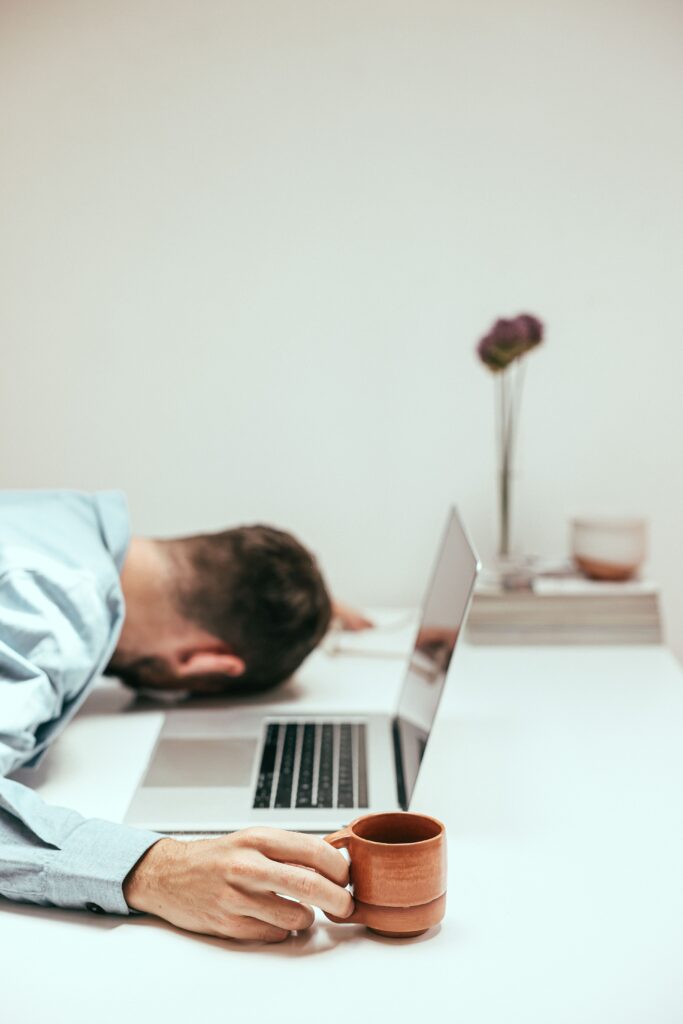
Caffeine blocks the brain receptors that make you feel sleepy. Its half-life in most adults is around five to six hours — meaning half of a 3 p.m. coffee is still active at 9 p.m. For people who metabolize caffeine slowly (roughly half the population, due to a genetic variation), it can be even longer.
A cutoff around 1–2 p.m. works for most people. If you go to bed later than midnight, you have more flexibility. If you’re a light sleeper who wakes frequently, try pulling that cutoff earlier for a week and see what happens. Tea, pre-workout drinks, and some sodas count. Decaf has small amounts that can affect sensitive people.
The Importance of Room Temperature
Your core body temperature drops when you fall asleep. A cool room helps that happen faster. The range most people sleep best in is 65–68°F (18–20°C), though individual variation exists.
If your room runs warm, a fan, lighter bedding, or leaving a window cracked makes a real difference. A cold shower one to two hours before bed also works — not because of the cold itself, but because the body heats up briefly afterward and then cools down sharply, which accelerates the drop needed for sleep onset.
A Wind-Down Routine Your Brain Can Learn From
Your nervous system doesn’t switch off when you lie down. It needs time to shift states — from active and alert to restful. A consistent 20–30 minute routine before bed helps that happen because your brain learns to associate the routine with sleep.
The activity matters less than the consistency. Reading a physical book, light stretching, and journaling all work. What to avoid in that window: work emails, stressful conversations, anything that generates anxiety or mental activation. The goal isn’t relaxation for its own sake — it’s training your brain to know what comes next.
Habits vs. Impact at a Glance
| Habit | Effort | Time To Notice Change |
| Fixed wake time | Low | 1–2 weeks |
| Morning light | Low | A few days |
| Evening light reduction | Medium | A few days |
| Caffeine cutoff | Medium | 2–3 days |
| Cooler room | Low | Immediate |
| Wind-down routine | Medium | 1–2 weeks |
What Nobody Tells You About Sleep Advice
Two nights of trying something isn’t enough data. Most behavioral changes affecting sleep take seven to fourteen days of consistency before you feel a difference. People quit good habits before they work.
Stress overrides most of this. If you’re lying awake with your mind running, dimmer lights and a cooler room won’t fix it. Techniques like progressive muscle relaxation or structured worry journaling (writing down what’s bothering you before bed so your brain stops rehearsing it) address the mental activation side. Both things often need to work together.
Sleep trackers can help you notice patterns, but don’t treat the score as a verdict on each night. Anxiety about a bad sleep number can itself make sleep worse — researchers sometimes call this orthosomnia. Use the data loosely.
Conclusion
Start with two things: a fixed wake time and ten minutes of morning light. Both are free, low-effort, and directly address how your internal clock works. Give them two weeks before adding anything else.
Sleep quality doesn’t change overnight, but it does change. The habits here aren’t complicated; the harder part is doing them consistently enough to let them actually work. Pick the ones that feel most achievable and build from there.